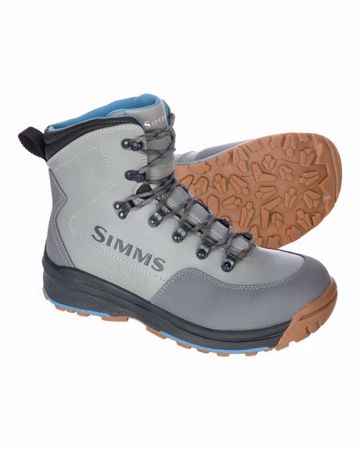
For anglers, wading into rivers, streams, or lakes is often an essential part of a productive fishing adventure. However, without the right footwear, these excursions can quickly become uncomfortable, unsafe, and less enjoyable. Wading boots are specifically designed to provide anglers with traction, support, and protection while standing or walking in water and on uneven surfaces. Choosing the best wading boots ensures comfort, safety, and confidence during every fishing trip.
This guide explores key considerations, features, and tips for selecting the best wading boots for comfortable and successful fishing adventures.
Why Wading Boots Are Essential
Wading boots are more than just water-resistant shoes—they are engineered to improve stability, reduce fatigue, and protect your feet from hazards commonly found in aquatic environments. Some of the challenges anglers face without proper footwear include:
- Slippery Surfaces: Rocks and riverbeds can be covered in algae or moss, making them treacherous to walk on.
- Sharp Objects: Broken shells, sticks, and sharp rocks can cause injuries.
- Cold Water: Prolonged exposure to cold water can result in discomfort or even hypothermia in extreme conditions.
- Fatigue: Poorly fitted or unsupportive footwear can lead to sore feet, blisters, and reduced endurance during long wading sessions.
High-quality wading boots address these challenges by offering traction, cushioning, and protection, allowing anglers to focus on fishing rather than worrying about footing or discomfort.
Key Features to Look for in Wading Boots
When selecting the best wading boots, several important features should be considered to ensure comfort, durability, and safety:
1. Material and Construction
Wading boots are typically made from synthetic materials, leather, or a combination of both. Synthetic boots are lightweight, quick-drying, and resistant to water damage, while leather boots are durable, supportive, and often provide a better long-term fit. Look for boots with reinforced stitching and durable outsoles to withstand the rigors of wading over rocks and rough terrain.
2. Traction and Sole Design
Traction is critical for maintaining balance and preventing slips. Wading boots generally feature rubber soles, felt soles, or studded soles:
- Rubber Soles: Offer excellent traction on rocks and dry surfaces; often used with removable cleats for extra grip.
- Felt Soles: Provide superior grip in wet and slippery conditions but can wear down quickly on hard surfaces.
- Studded or Cleated Soles: Enhance stability on slippery rocks and riverbeds. Some boots feature removable studs for versatility.
Choosing the right sole depends on the type of water and terrain you’ll encounter most frequently.
3. Support and Fit
Proper support reduces fatigue and minimizes the risk of ankle injuries. Look for boots with high cuffs, padded insoles, and reinforced heels for maximum stability. A secure and comfortable fit is essential, as ill-fitting boots can lead to blisters and discomfort during extended wading.
4. Waterproofing and Drainage
While wading boots are designed to be submerged, proper waterproofing and drainage features are important for comfort. Many boots include mesh panels or drainage ports to allow water to flow out while preventing debris from entering. This ensures your feet stay comfortable and reduces the risk of bacterial or fungal infections.
5. Weight and Flexibility
Lightweight boots are easier to walk in and reduce fatigue, especially on long fishing trips. However, flexibility should not come at the cost of support. The best boots strike a balance between lightweight construction and adequate stiffness to protect your feet and ankles.
6. Compatibility with Waders
If you wear waders, ensure your boots are compatible with your wader system. Some boots are designed to integrate seamlessly with stocking-foot waders, while others are meant for waders with built-in booties. Checking compatibility helps prevent discomfort and ensures a secure fit.
See also: Expert Fire and Safety Compliance Solutions Ensuring Workplace Protection
Tips for Choosing the Right Wading Boots
Selecting the right wading boots involves more than just picking a popular brand or style. Consider the following tips:
- Assess Your Fishing Environment: Are you fishing in rocky rivers, sandy beaches, or muddy streams? Choose boots designed for the most common conditions you encounter.
- Prioritize Comfort: Always try on boots with the socks you plan to wear. Walk around and simulate wading movements to check for fit and comfort.
- Consider Ankle Support: High-ankle boots offer better stability for uneven terrain, while low-ankle boots are lighter and easier to move in shallow water.
- Check Traction Options: If you fish in slippery conditions, consider boots with felt, cleats, or hybrid soles for maximum grip.
- Account for Durability: Look for reinforced toe caps, sturdy stitching, and abrasion-resistant materials to ensure the boots last multiple seasons.
- Break-In Period: Some boots require a short break-in period to achieve the best fit. Allow time before your first long wading trip.
Maintenance and Care for Longevity
Proper care extends the life and performance of wading boots. Simple maintenance practices include:
- Rinse After Use: Remove saltwater, dirt, and debris after each fishing trip to prevent corrosion or deterioration.
- Dry Thoroughly: Air-dry boots in a cool, shaded area to prevent damage from heat or prolonged moisture exposure.
- Inspect Regularly: Check for worn soles, loose stitching, or damaged cleats and replace parts as needed.
- Store Properly: Keep boots in a dry area away from direct sunlight to maintain material integrity.
Regular maintenance ensures your boots remain comfortable, functional, and safe for years of fishing adventures.
Conclusion
Choosing the best wading boots is essential for comfortable, safe, and productive fishing experiences. High-quality boots provide traction, support, protection, and durability, allowing anglers to focus on fishing rather than struggling with slippery rocks or sore feet. By considering factors such as material, traction, fit, and wader compatibility, anglers can select boots that meet their specific needs and fishing environments.
Proper care and maintenance further extend the life and performance of your wading boots, ensuring every fishing adventure is enjoyable and safe.
If you’re ready to enhance your fishing experience and invest in reliable, comfortable wading boots for your next outdoor adventure, contact us to learn more about our top-rated wading boot selections and expert recommendations.