Have you ever finished a workout feeling soaked, heavy, and uncomfortable even though you were wearing “sportswear”? The problem often isn’t your workout intensity. It’s the fabric you chose.
Modern performance clothing is designed to manage sweat, regulate body temperature, and keep you comfortable in motion. Yet many people still confuse moisture wicking vs quick dry fabric, assuming they are the same thing. They are not.
Understanding how these fabrics work can completely change your experience whether you are running outdoors, traveling in hot climates, hiking, or simply trying to stay fresh during daily activities.
In this detailed guide, you will learn:
- What moisture wicking fabric really does
- How quick dry materials work differently
- Which fabric performs better in specific situations
- How to choose the best option for your lifestyle
By the end, you will know exactly which fabric keeps you cooler, drier, and more comfortable.
What Is Moisture Wicking Fabric?
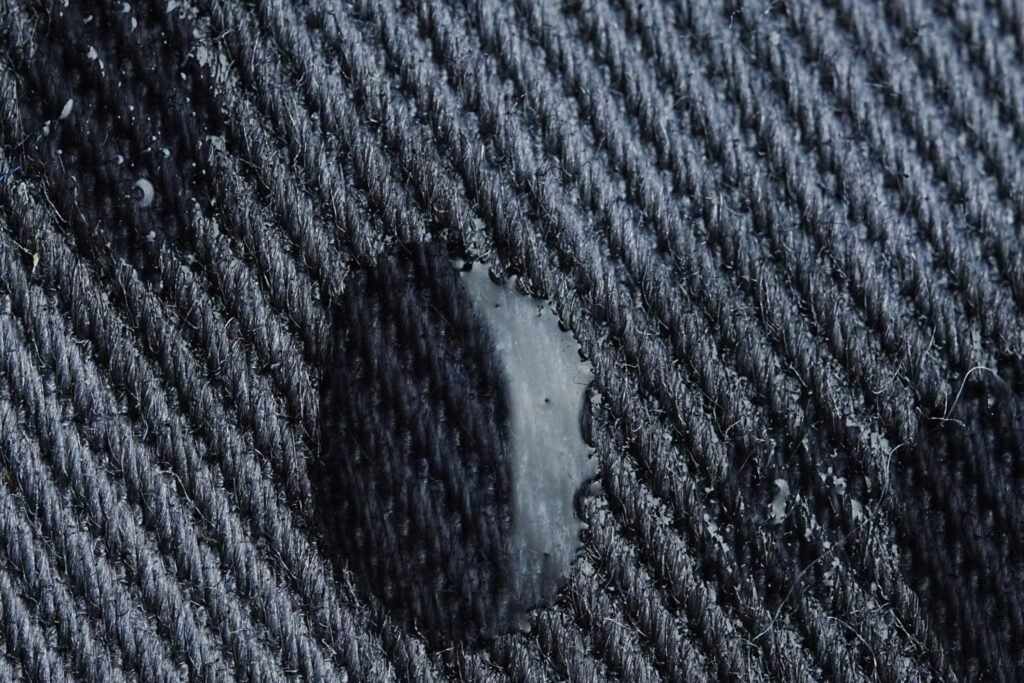
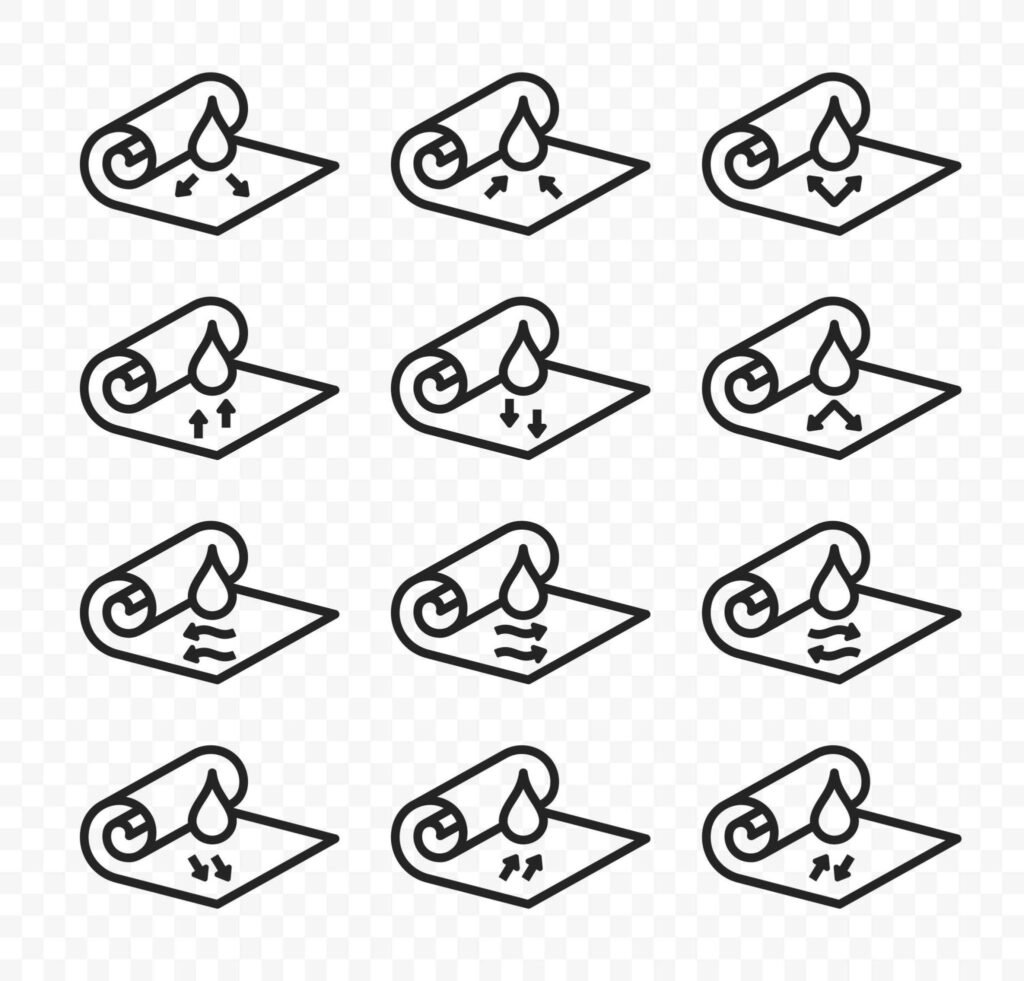
Moisture wicking fabric is engineered to pull sweat away from your skin and move it toward the outer surface of the material where it can evaporate. If you are unsure which material works best, learning how to choose gym clothing for comfort can help you avoid overheating during intense workouts.
Instead of absorbing sweat like traditional cotton, it redistributes moisture across the fabric surface.
How Moisture Wicking Technology Works
The secret lies in something called capillary action.
Tiny fibers create channels that transport moisture outward. Think of it like water traveling through a paper towel, except optimized for airflow and evaporation.
Process simplified:
- Sweat forms on your skin
- Fabric pulls moisture away instantly
- Sweat spreads across outer fibers
- Airflow speeds up evaporation
This keeps your skin feeling dry even while sweating heavily.
See also: The Business Value of Technological Investment
Common Materials Used in Moisture Wicking Clothing
Most sweat wicking fabrics rely on engineered fibers:
- Polyester: lightweight and highly efficient at moisture transfer
- Nylon: durable with excellent stretch performance
- Merino wool: natural moisture regulation and odor resistance
- Performance blends: combine elasticity, comfort, and moisture control
Key Benefits of Moisture Wicking Fabric
✔ Keeps sweat off skin
✔ Reduces chafing during movement
✔ Improves temperature regulation
✔ Helps reduce odor buildup
✔ Enhances workout comfort
This is why runners, cyclists, and gym athletes prioritize sweat wicking fabric.
What Is Quick Dry Fabric?
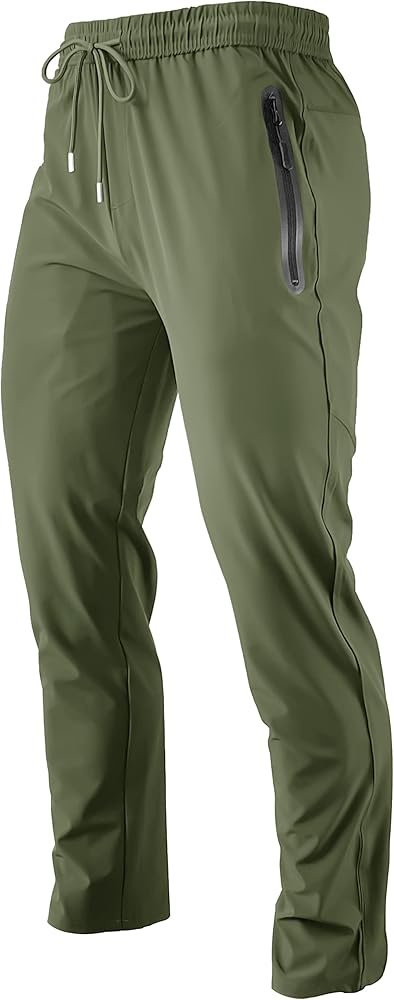
Quick dry fabric focuses on a different goal: drying fast after getting wet.
Rather than prioritizing sweat movement from skin, these materials are designed to evaporate moisture rapidly once exposed to air.
How Quick Dry Fabric Actually Dries Faster
Quick dry performance depends on three factors:
- Thin fibers
- Open weave construction
- Increased airflow exposure
Water spreads across a large surface area and evaporates quickly.
This is why travel clothes washed in a hotel sink often dry overnight when made from quick dry materials.
According to textile research explained by organizations like the Textile Institute, evaporation rate depends largely on surface area and airflow rather than absorption capacity.
Materials Commonly Used in Quick Dry Clothing
Typical fabrics include:
- Microfiber polyester
- Lightweight synthetic blends
- Treated cotton blends
- Technical outdoor fabrics
Many outdoor gear brands publish educational resources explaining fast drying clothing technologies, which are excellent external references for deeper learning.
Advantages of Quick Dry Fabric
✔ Dries quickly after washing
✔ Lightweight and packable
✔ Ideal for travel and hiking
✔ Less downtime between wears
✔ Comfortable in humid environments
Moisture Wicking vs Quick Dry Fabric: Side by Side Comparison
This section answers the core question users search for.
Quick Comparison Table
| Feature | Moisture Wicking Fabric | Quick Dry Fabric |
| Primary Purpose | Moves sweat away from skin | Dries quickly after wetness |
| Best For | Exercise & sweating | Travel & outdoor use |
| Skin Comfort | Very high | Moderate to high |
| Drying Speed | Medium | Very fast |
| Odor Control | Better | Moderate |
| Breathability | High | High depending on weave |
| Ideal Climate | Hot workouts | Humid or wet conditions |
Sweat Management Performance
Moisture wicking fabric wins clearly here.
It actively transports sweat away from your body, preventing that sticky feeling common with regular clothing.
Quick dry fabric may still feel damp during intense workouts because moisture remains closer to the skin initially.
Drying Speed Comparison
Quick dry fabrics dominate when:
- Clothes are washed
- You get caught in rain
- Traveling with limited laundry options
They lose water faster due to lightweight construction.
Breathability and Comfort
Both fabrics can be breathable, but moisture wicking designs are optimized for continuous movement and airflow during physical activity.
Best Climate Conditions for Each Fabric
- Hot workouts: Moisture wicking
- Humid travel climates: Quick dry
- Rainy outdoor adventures: Quick dry
- High intensity sports: Moisture wicking
Durability and Maintenance
Synthetic moisture wicking fabrics tend to last longer under repeated sweating and washing.
Quick dry fabrics are lightweight and may require gentler care.
Which Fabric Prevents Odor Better?
Moisture wicking fabrics, especially merino wool blends, resist odor better because sweat does not remain trapped against skin.
Moisture Wicking vs Quick Dry Fabric: Which One Should You Choose?
Your choice depends entirely on activity.
Best for Gym and Workouts
Choose moisture wicking fabric.
It keeps sweat off your body and prevents overheating.
Best for Running and Sports
Moisture wicking again performs best due to constant sweat management.
Best for Travel and Outdoor Activities
Quick dry clothing shines because:
- You can wash and reuse quickly
- Less luggage needed
- Faster drying in hotels or campsites
Best for Hot and Humid Weather
A hybrid option works best, combining both technologies.
Best Everyday Clothing Option
For casual daily wear:
- Light moisture wicking blends provide comfort
- Quick dry fabrics work well in warm climates
When Moisture Wicking and Quick Dry Fabrics Work Together
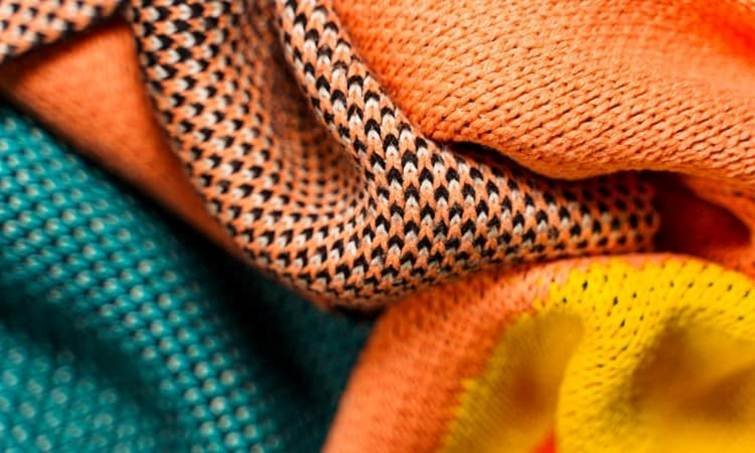
Modern sportswear rarely uses just one technology.
Brands now design hybrid performance fabrics that:
- Pull sweat away from skin
- Dry rapidly afterward
- Improve airflow through mesh zones
This innovation explains why premium athletic gear feels dramatically more comfortable than older workout clothing.
Common Myths About Moisture Wicking and Quick Dry Fabrics
Myth 1: They Are the Same Thing
They solve related but different problems.
- Moisture wicking = sweat movement
- Quick dry = evaporation speed
Myth 2: Cotton Can Be Moisture Wicking
Regular cotton absorbs moisture instead of transporting it, which causes heaviness and discomfort.
Myth 3: Quick Dry Means Sweat Proof
No fabric stops sweating. It only manages moisture better.
How to Identify Moisture Wicking or Quick Dry Fabric Before Buying
Reading Clothing Labels
Look for terms like:
- moisture management
- sweat wicking
- fast drying
- performance fabric
Fabric Tests You Can Do at Home
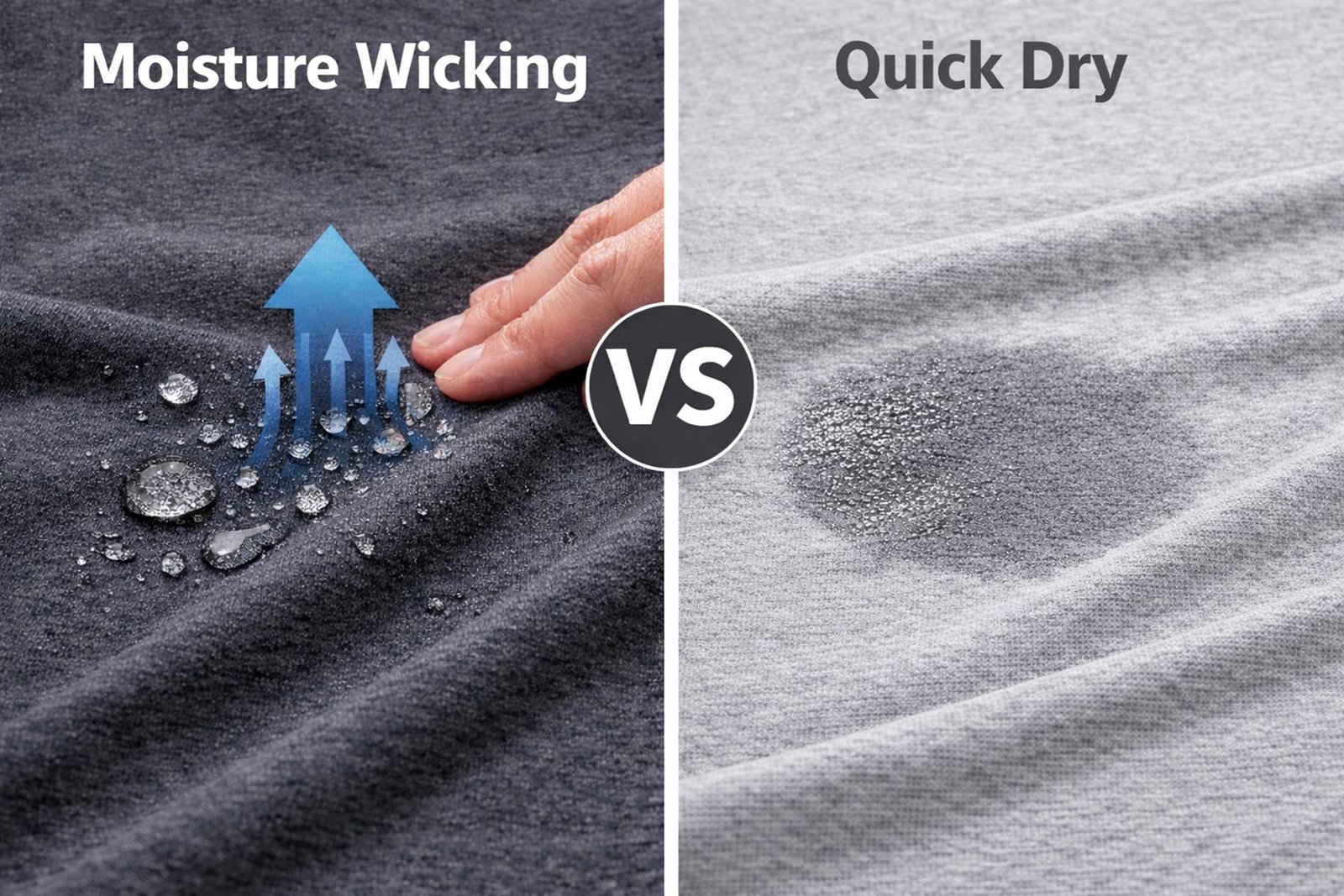
Drop Test:
Place a drop of water on fabric.
- Spreads quickly = moisture wicking
- Rolls off then evaporates fast = quick dry
Features to Look for in Performance Apparel
- Lightweight feel
- Breathable mesh panels
- Synthetic fiber blends
- Athletic fit construction
Care Tips to Maintain Fabric Performance
Proper care preserves performance.
Washing Tips
- Use cold water
- Wash inside out
- Avoid heavy detergents
Avoid Fabric Softeners
They clog fiber channels and reduce moisture wicking ability.
Drying Best Practices
- Air dry when possible
- Use low heat settings
Conclusion: Moisture Wicking vs Quick Dry Fabric Explained Simply
Choosing between moisture wicking vs quick dry fabric becomes easy once you understand their core purpose.
- Moisture wicking fabric keeps you dry during activity.
- Quick dry fabric helps clothing dry after getting wet.
- Hybrid fabrics provide the best all around performance.
If you exercise frequently, prioritize moisture wicking materials. If you travel often or need fast drying clothing, quick dry fabrics are ideal.
The right fabric does more than improve comfort. It enhances performance, confidence, and overall daily experience.
FAQ
What is the best material for water wicking?
When I’m choosing the best material for water wicking, I often reach for Nylon because it’s a synthetic fabric that balances strength and elasticity while still feeling lightweight on the skin, and in my experience it stays breathable even during sweaty workouts, which is why its excellent moisture-wicking properties make it a smart pick for comfort and performance.
What is the unhealthiest fabric to wear?
From what I’ve seen while testing activewear, Toxic fabrics, like polyester, acrylic, nylon, and acetate, are often made with harmful chemicals that can be absorbed through skin, so I always look for clothing made with natural dyes and minimal processing to reduce exposure during daily wear.
Can 100% cotton be moisture-wicking?
One impressive feature of cotton is its natural capacity to absorb moisture, so whether you’re sweating during a workout or caught in a sudden rain shower, your 100% shirt will help keep you dry by wicking it away from your skin.
What Fabric Works Best for Moisture Wicking?
When I test workout clothes, I see a lot of synthetic fabrics like polyester and nylon because these fabrics are hydrophobic, meaning they resist penetration of water, and that helps moisture move away through wicking so you feel less sticky and more comfortable.
At the same time, wool is also considered moisture-wicking, but it is a slightly different animal, and in my experience it can still handle sweat well even when the weather changes, which is why I keep it in my rotation for long walks and cooler workouts.
Is Wicking Better Than Regular Fabric?
In my experience, cotton can be soft and breathable, but it absorbs moisture instead of moving it away, which is why a cotton shirt can feel heavy, stay damp, and hold sweat longer than you expect.
On the other hand, moisture wicking fabrics like performance blends we use are engineered to keep you feeling light and dry, so you can stay comfortable even when you are active.
Is Quick Dry the Same as Moisture Wicking?
From what I have seen in real workouts, moisture-wicking fabrics are about movement, pulling perspiration off your skin through capillary action, while quick-dry fabrics focus on speed, forcing moisture to evaporate fast as physics allows, and that is why they feel similar but work in different ways, even if you are choosing between the 2 for the same sweaty day.