The first hour after waking up has a disproportionate impact on mood, focus, and decision-making. Morning routines work best when they are calm, predictable, and low effort. Digital habits that demand screens, scrolling, or visual choices often disrupt this fragile window.
Why Audio Belongs in the Morning
Mornings are transitionalmoving from rest to activity. Audio supports this transition gently. Unlike video, it doesn’t demand posture, lighting, or visual focus. Audio allows the mind to wake up gradually while the body begins its routine.
Reducing Early Decision Fatigue
Decision fatigue starts early. Choosing what to watch, where to click, or what to skip adds cognitive load before the day even begins. Audio simplifies mornings by reducing choices to a single action: press play and continue moving.
See also: The Business Value of Technological Investment
Supporting Natural Morning Activities
Morning routines often include activities like stretching, showering, preparing breakfast, journaling, or walking. These tasks pair naturally with listening. Audio fills silence without interrupting movement, making routines feel smoother and more intentional.
Creating a Consistent Mental Cue
Consistency is key to habit formation. Listening to familiar audio at the same time each morning creates a mental cue that signals the start of the day. Over time, this association strengthens routine adherence without effort.
Avoiding Screen-Induced Stress
Screens introduce stimulationnotifications, visuals, and content suggestions. Early exposure can trigger stress or distraction. Audio protects the morning space by keeping attention inward rather than outward.
Building a Calm Information Intake
Mornings are not ideal for heavy information overload. Audio allows users to control pacing and content intensity. Spoken material can be paused, replayed, or absorbed gently without pressure.
Aligning With Circadian Rhythms
The brain processes information differently in the morning. Audio respects this rhythm by allowing passive absorption rather than demanding analytical engagement. This makes mornings feel less rushed and more grounded.
Encouraging Presence Over Consumption
Audio-first mornings encourage presence. Instead of reacting to visuals, users stay connected to physical actions and surroundings. This presence sets a steadier emotional baseline for the day ahead.
Making Routines Portable
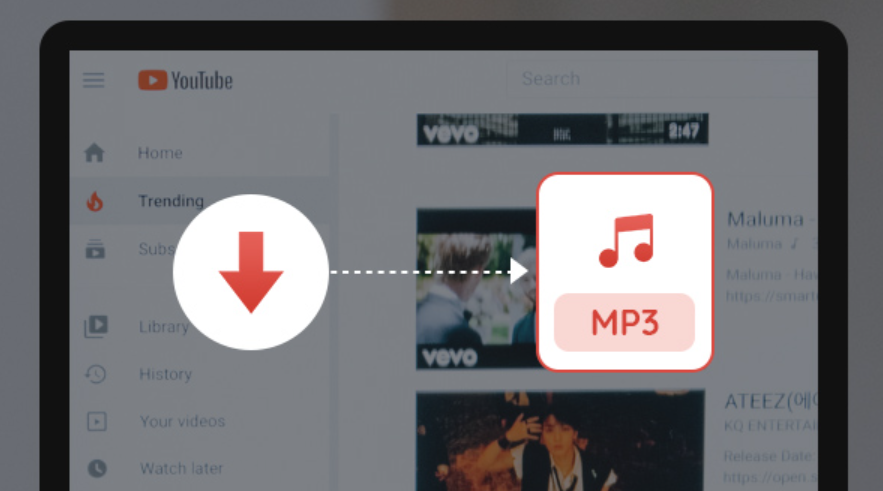
Morning routines don’t always happen in the same place. Audio travels easilyfrom bedroom to kitchen to outdoorswithout interrupting flow. A YouTube to MP3 converter tool supports this continuity by keeping content accessible without visual dependency.
Reinforcing Habit Without Effort
The best routines feel effortless. When audio becomes part of the morning rhythm, it no longer feels like an extra task. A YouTube to MP3 converter tool helps embed listening naturally into existing habits.
Starting the Day with Intention
Mornings don’t need more stimulationthey need structure and calm. Audio provides both. When thoughtfully integrated, it transforms the start of the day into a stable foundation rather than a scramble.